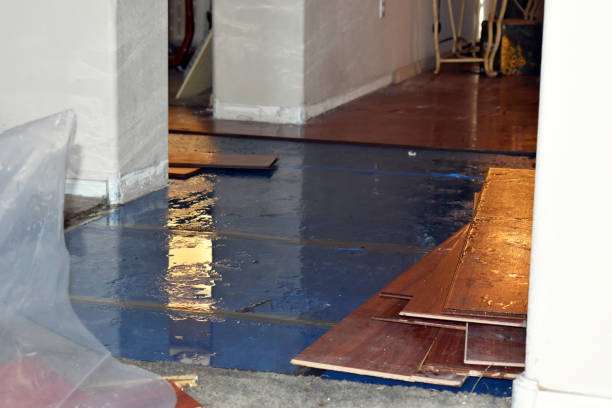
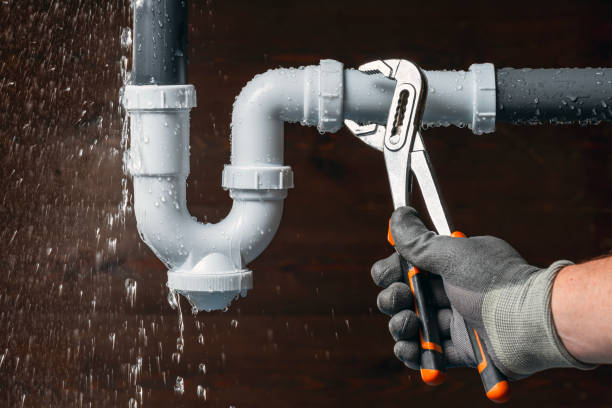
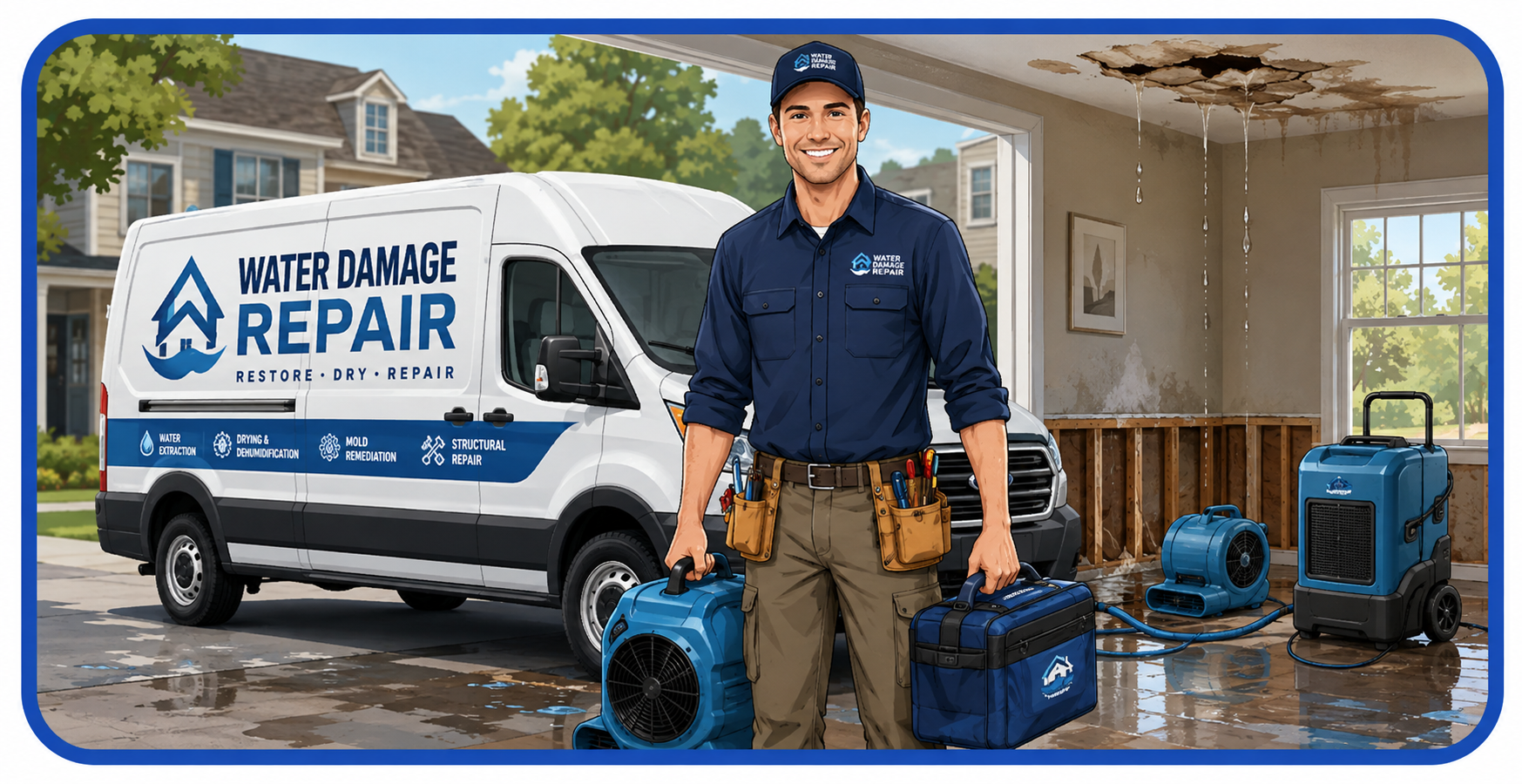
Wells sits on a mix of older plumbing and newer builds, and our crew has pulled water out of both, which is why the truck that shows up already has the right extraction head for your situation.
Call +1-844-578-1604
Crews staged inside Wells limits
Flat-rate quote before any equipment runs
IICRC-certified technicians on every truck

Ask a Wells homeowner who's dealt with a burst pipe at 3am and, if they called us, they'll tell you the same thing: someone answered, and someone showed up. That's the whole model.
Local pricing means local pricing — our Wells estimates reflect actual regional labor and material costs, not a national average that leaves you either overpaying or underinsured.
Homeowners dealing with a flood are stressed enough without technical jargon, so we train our crews to explain the process in plain terms from the first phone call.
Water damage rarely starts as a dramatic flood — it usually starts small, and these are the signs worth acting on before the damage spreads further.
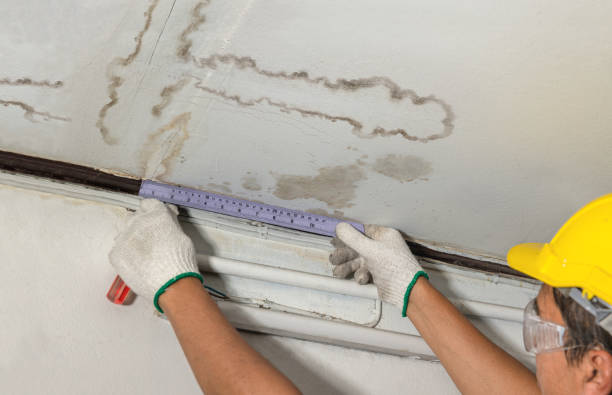
Repainting over a recurring ceiling stain treats the symptom, not the leak still feeding it from above or behind the surface. The stain returning is the actual diagnosis.
If a dehumidifier and open windows don't clear the smell within a day or two, there's an active moisture source that ventilation alone won't solve.
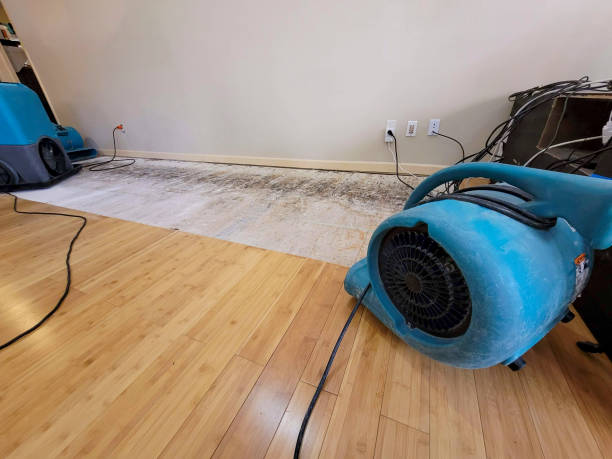
Hardwood cupping at the edges, laminate lifting at the seams, or carpet that stays spongy days after you last noticed water — all three point to moisture sitting against the subfloor.
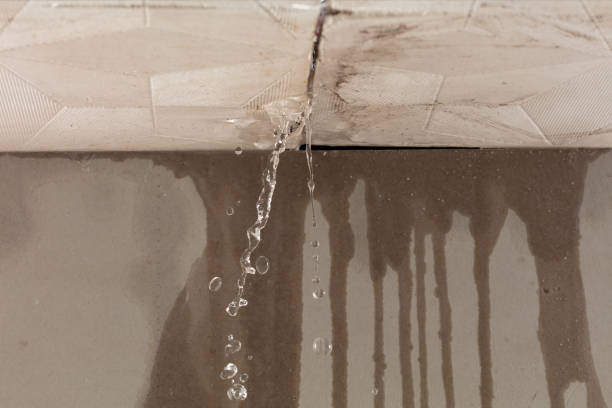
The sound of running water when every fixture in the house is off is one of the more reliable early warnings of a hidden leak.
Bubbling near a window frame frequently traces back to a failed seal letting water in gradually.
Mold that returns after a bleach cleaning is a sign the moisture source behind it was never actually addressed.
Catching two or more of these signs at once usually means it's past time for a proper inspection.
Bouncing between an extraction company, a drying company, and a repair contractor is how small jobs turn into weeks-long headaches — we keep all three under one roof on purpose.
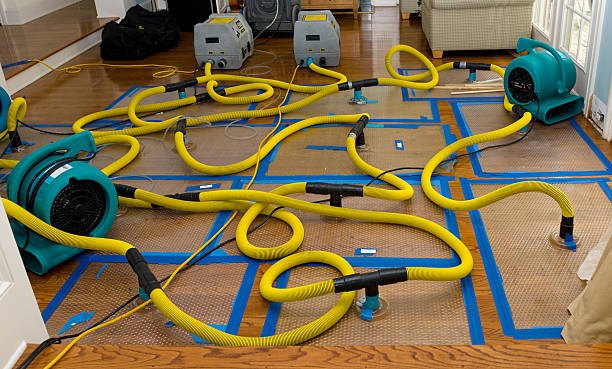
The equipment on our trucks scales up or down to the job, but the process — assess, extract, dry, verify, repair — doesn't change.
We treat extraction speed as the single biggest variable we control — every additional hour of standing water raises the odds of secondary damage.
Daily drying logs track humidity and surface moisture at every checkpoint, giving you documented proof of progress instead of a verbal 'it's getting there.'
Materials that had direct contact with contaminated water almost always come out rather than get dried in place — that's a safety call, not a cost-cutting one.
If mold has already started, containment with negative air pressure goes up before any demolition begins, so spores don't travel to unaffected rooms.
Once moisture readings confirm the structure is dry, the same team that documented and dried the loss hands off directly into drywall, insulation, and flooring repair.
Specialized content cleaning often saves items that looked like a total loss at first glance, which keeps replacement costs off your claim.


This is the same sequence every job follows, whether it's a single flooded room or a full commercial loss.
A live dispatcher, not a voicemail tree, takes your call and asks a few quick questions about the source and severity so the crew rolls out prepared.
Photo and moisture documentation happens before any equipment gets touched, which protects your insurance claim later.
Equipment placement follows the specific psychrometric numbers from assessment, not a generic pattern used on every job.
Every affected area gets re-tested before we call the job complete — no shortcuts on the sign-off.
None of these four things matter in isolation — it's the combination of licensing, speed, honest pricing, and a real guarantee that actually changes the outcome of a water emergency.
We'll show you the credentials before we show you the invoice, if that's what puts you at ease.
Shorter drive times matter most in the first hour after a loss, which is exactly when local staging pays off.
We'd rather have the pricing conversation upfront than after the job's already underway.
If a drying target isn't hit on schedule, equipment stays on-site at no extra charge until the readings confirm it's dry.
If our readings don't hit a safe drying standard on schedule, equipment stays running at our cost until they do — that's the bar we hold ourselves to.
Technicians aren't rewarded for closing jobs quickly, which keeps the incentive pointed at actually finishing the drying right.
Call +1-844-578-1604Aqua Guard Water Damage routes crews across Wells and its surrounding zip codes, including 4090, so response times hold steady no matter which side of town the call comes from.
Coverage extends past the city core into the surrounding Wells suburbs, so an outlying address isn't treated as a second-tier call.

"Our water heater gave out overnight and by the time I found the pool of water it had already crept under the cabinets. The crew here in Wells had it extracted and drying equipment running before I finished my coffee."
Renee A., Wells"The daily moisture log gave me something concrete to look at instead of just being told to trust the process."
Owen D., Wells"They didn't cut corners on the sanitization step even though it clearly slowed them down — with two kids in the house, that mattered to us."
Fatima J., Wells"The reconstruction crew matched our original flooring almost exactly after the repair — you'd never guess there was ever a leak."
Lucas P., Wells"We had a slow leak for weeks without noticing, and thermal imaging found moisture in a spot we never would have checked ourselves."
Grace T., Wells"Our office flooded overnight and industrial equipment was already running before our staff arrived for the morning shift."
Nathaniel W., Wells"The technician explained exactly which boards needed to go and which tested dry enough to keep, so we didn't overpay for the repair."
Bianca H., Wells"Storm runoff got into our crawl space and the smell alone told us something was wrong. They found a failed vapor barrier and fixed the actual cause during the same visit."
Derek S., Wells"They found the actual source of the leak instead of just drying the surface damage, which saved us from the same problem happening again in a month."
Melissa C., Wells"Being out of town when it happened was stressful enough — having a crew that could work directly with our property manager made it manageable."
Victor N., Wells